
Workflow Automation Without Coding: 75% of New Apps to Use Low-Code by 2026
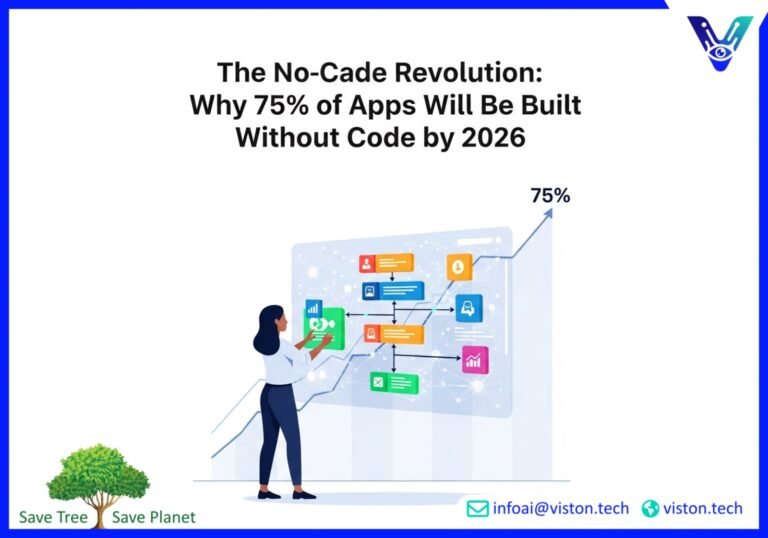
The world of application development is undergoing a seismic shift. Gone are the days when building software was the exclusive domain of highly skilled coders. Today, a new wave of technology is empowering individuals across all business departments to create, automate, and innovate. This is the era of low-code/no-code (LCNC) development, and it’s expanding at a staggering pace. By 2026, a remarkable 75% of all new enterprise applications will be built using these intuitive platforms. This represents a monumental leap from less than 5% just five years ago, signaling a fundamental change in how businesses operate and compete.
This rapid adoption is not just a trend; it’s a direct response to the urgent need for greater business agility and faster innovation. The market for LCNC platforms is exploding, with forecasts predicting a value of over $65 billion by 2027. What’s even more telling is who is driving this growth. By 2026, it’s anticipated that a staggering 80% of LCNC users will be non-IT professionals—business users who are closest to the challenges and best positioned to devise effective solutions. These are the new “citizen developers,” and they are at the forefront of this digital transformation.
In this comprehensive guide, we’ll explore the transformative power of workflow automation without coding. We will delve into the LCNC maturity ladder, from simple point solutions to intelligent, AI-driven orchestration. We’ll also compare some of the leading platforms on the market and discuss the critical importance of establishing robust governance to manage this new era of democratized development.
The Rise of the Citizen Developer and the Demand for Business Agility
The traditional model of software development, with its long cycles and heavy reliance on specialized IT teams, can no longer keep pace with the dynamic demands of the modern business landscape. Project backlogs in IT departments are a common bottleneck, stifling innovation and delaying crucial process improvements. This is where the concept of the citizen developer comes into play.
Citizen developers are business users who, with the help of LCNC platforms, can build applications to solve their own problems and automate their workflows. They possess deep domain knowledge and a clear understanding of the day-to-day operational hurdles. Empowering them to create their own solutions not only accelerates development but also leads to more effective and user-centric applications. This democratization of development is a key driver of business agility, enabling organizations to pivot quickly, respond to market changes, and seize new opportunities without being hampered by IT constraints.
The benefits of this shift are clear:
- Rapid Development: LCNC platforms can accelerate the application development process by up to 10 times, allowing for the quick creation and deployment of solutions.
- Reduced IT Backlog: By offloading simpler development tasks to business users, IT teams can focus on more complex, strategic initiatives.
- Cost Savings: The increased speed and efficiency of LCNC development, coupled with a reduced reliance on specialized developers, can lead to significant cost reductions.
- Improved Problem-Solving: Solutions are built by the people who will actually use them, resulting in applications that are better aligned with business needs.
Navigating the Low-Code/No-Code Maturity Ladder
Organizations typically progress through several stages as they adopt and integrate LCNC technologies. Understanding this maturity ladder can help businesses strategically plan their journey and maximize the value they derive from these platforms.
Stage 1: Point Solutions
This is the entry point for most organizations. At this stage, individuals or small teams use LCNC tools to address specific, isolated problems. Think of a marketing team building a simple app to manage event registrations or a finance department creating a workflow to automate expense approvals. These “point solutions” are quick wins that demonstrate the power and simplicity of LCNC, often leading to broader adoption.
Stage 2: Workflow Integration
As comfort with LCNC grows, the focus shifts from individual pain points to integrating and automating entire workflows across different departments and systems. For example, a new sales lead captured in a CRM could automatically trigger a series of actions: notifying the sales team, adding the lead to a marketing campaign, and creating a task in a project management tool. This stage is about connecting disparate systems and creating seamless, end-to-end processes that improve efficiency and collaboration.
Stage 3: Intelligent Orchestration
The most mature stage of LCNC adoption involves leveraging the power of Artificial Intelligence (AI) and Machine Learning (ML) to create intelligent and adaptive workflows. This is where the true transformative potential of LCNC is realized. Imagine a customer service application that not only routes tickets but also uses AI to analyze the sentiment of the customer’s message, prioritize urgent issues, and even suggest potential solutions to the support agent. This “intelligent orchestration” goes beyond simple automation to create dynamic, data-driven processes that can learn and adapt over time.
AI-powered LCNC platforms are becoming increasingly sophisticated, offering capabilities such as:
- Predictive Analytics: Building applications that can forecast trends and anticipate future outcomes.
- Natural Language Processing (NLP): Creating chatbots and other conversational interfaces that can understand and respond to human language.
- Computer Vision: Developing applications that can “see” and interpret images and videos.
A Look at the Leading Low-Code/No-Code Platforms
The LCNC market is crowded with a diverse range of platforms, each with its own strengths and target audience. Here’s a brief comparison of some of the key players:
| Platform | Key Features | Ideal For |
|---|---|---|
| Microsoft Power Apps | Deep integration with the Microsoft ecosystem (Office 365, Azure), strong AI capabilities with AI Builder, and extensive connectors to various data sources. | Organizations heavily invested in the Microsoft stack and those looking to leverage AI for business process automation. |
| Salesforce Platform | Seamless integration with Salesforce CRM, a vast marketplace of pre-built components on the AppExchange, and robust tools for building customer-facing applications. | Businesses that rely on Salesforce CRM and want to extend its functionality with custom apps and workflows. |
| OutSystems | Enterprise-grade platform focused on serious application development, offering high performance, scalability, and advanced features for complex use cases. | Larger enterprises with dedicated development teams looking for a powerful low-code platform for building mission-critical applications. |
| Mendix | A highly collaborative platform that caters to both business users and professional developers, with a strong focus on building complex, enterprise-level applications. | Organizations seeking a versatile platform that can support a wide range of application development needs, from simple departmental apps to complex enterprise systems. |
| Appian | A unified platform for process automation, data management, and application development, with a strong emphasis on workflow and case management. | Companies looking to automate and optimize complex business processes and workflows. For more in-depth comparisons and reviews, you can visit resources like G2’s Low-Code Development Platforms category. |
The Critical Role of Governance in a Low-Code World
The democratization of development brings immense benefits, but it also introduces new challenges. Without proper oversight, the proliferation of citizen-developed applications can lead to “shadow IT,” where applications are built and used without the knowledge or approval of the IT department. This can create security vulnerabilities, data silos, and a lack of standardization.
To mitigate these risks, it is crucial to establish a robust low-code governance framework. This framework should not be about restricting innovation but rather about enabling it in a safe and controlled manner. Key components of a strong governance model include:
- Clear Roles and Responsibilities: Defining who is responsible for what, from application development and testing to security and compliance.
- Application Lifecycle Management: Establishing processes for the entire lifecycle of an application, from ideation and development to deployment and retirement.
- Data Security and Compliance: Ensuring that all applications adhere to the organization’s security policies and any relevant industry regulations.
- Training and Support: Providing citizen developers with the training and resources they need to build high-quality, secure applications. A great resource for understanding the fundamentals of governance is Microsoft’s documentation on low-code governance.
The Future is AI-Powered and Low-Code
The convergence of low-code/no-code development and artificial intelligence is poised to unlock unprecedented levels of innovation and efficiency. As AI technologies become more accessible and integrated into LCNC platforms, the possibilities for intelligent automation are virtually limitless. We are moving towards a future where building sophisticated, AI-powered applications is no longer a complex, code-intensive endeavor but a simple, intuitive process accessible to everyone.
The statistics speak for themselves: the LCNC revolution is here to stay. Organizations that embrace this new paradigm of democratized development and intelligent automation will be the ones that thrive in the increasingly competitive digital landscape. By empowering their employees to become citizen developers and providing them with the right tools and governance, businesses can unlock a new wave of innovation, agility, and growth.
To explore how AI-powered solutions can transform your business, learn more about the latest trends in intelligent automation from industry leaders like Forbes.
Are you ready to unlock the full potential of workflow automation without coding? The journey begins with understanding your organization’s needs and choosing the right platform to empower your teams. With the right strategy and a commitment to governance, you can harness the power of low-code/no-code and AI to drive meaningful business outcomes.
#LowCode #NoCode #WorkflowAutomation #CitizenDeveloper #DigitalTransformation #BusinessAgility #AI #ArtificialIntelligence #FutureOfWork #AppDevelopment
Frequently Asked Questions (FAQs)
What is the main difference between low-code and no-code?
Low-code platforms require some coding knowledge to build complex applications, offering more flexibility and customization. No-code platforms, on the other hand, are designed for non-technical users and rely entirely on visual, drag-and-drop interfaces.
Who can be a citizen developer?
Anyone with a deep understanding of a business process and a desire to improve it can be a citizen developer. These individuals are typically business users, not professional programmers, who use LCNC platforms to build applications that solve their specific needs.
Is low-code/no-code development secure?
Leading LCNC platforms have robust, enterprise-grade security features. However, it is crucial for organizations to implement a strong governance framework to ensure that all applications are built and managed in a secure and compliant manner.
Can low-code/no-code platforms integrate with existing systems?
Yes, most LCNC platforms offer a wide range of pre-built connectors and APIs that allow for seamless integration with a variety of existing systems, such as CRMs, ERPs, and databases.
How will the rise of citizen developers impact IT departments?
The rise of citizen developers will transform the role of IT departments. Instead of being solely responsible for application development, IT will become a strategic enabler, providing governance, support, and expertise to empower business users to build their own solutions.
What types of applications can be built with low-code/no-code platforms?
A wide variety of applications can be built, ranging from simple departmental tools for task management and data collection to more complex enterprise applications for workflow automation, customer relationship management, and more.
How does AI enhance low-code/no-code platforms?
AI enhances LCNC platforms by adding intelligent capabilities such as predictive analytics, natural language processing, and computer vision. This allows for the creation of smarter, more adaptive applications that can automate complex decision-making processes.
What is the future outlook for low-code/no-code development?
The future of LCNC is incredibly bright, with continued rapid growth expected. The integration of AI and other advanced technologies will further expand the capabilities of these platforms, making them an even more essential tool for digital transformation.
Take the Next Step with Viston AI
Ready to revolutionize your workflows and accelerate your digital transformation? Contact Viston AI today to learn how our AI-powered solutions can help you harness the full potential of low-code/no-code development. Let us be your partner in building a more agile, innovative, and efficient future for your business.
