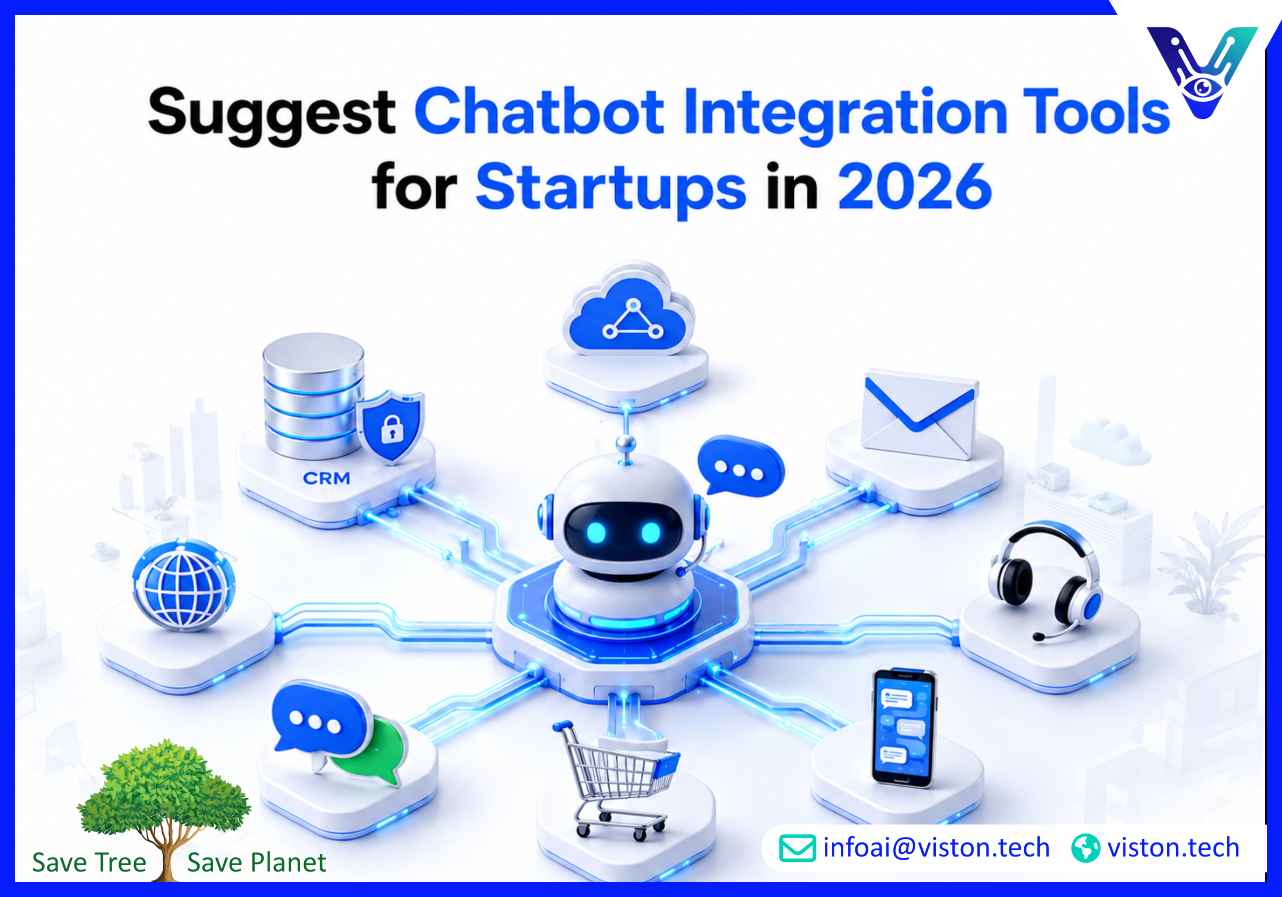
Suggest Chatbot Integration Tools for Startups in 2026
Startups are increasingly using AI-powered chatbots to automate customer support, capture leads, improve customer engagement, and streamline business operations. However, selecting the right chatbot integration tool is often more important than choosing the chatbot itself. The ideal solution should integrate seamlessly with existing systems, scale with business growth, and provide measurable value without creating unnecessary complexity or costs.
Why Chatbot Integration Tools Matter for Startups
A chatbot becomes significantly more valuable when it can connect with the systems startups already use. Rather than functioning as a standalone communication tool, an integrated chatbot can access customer information, trigger workflows, update records, and automate routine business tasks.For startups, effective chatbot integration can help:
Reduce manual workload
Improve response times
Increase lead conversion rates
Provide 24/7 customer assistance
Support lean operational teams
Create better customer experiences
Scale customer interactions without increasing headcount
As AI adoption continues to accelerate in 2026, startups are increasingly prioritizing integration capabilities alongside chatbot intelligence.
Key Features Startups Should Look for in Chatbot Integration Tools
Before selecting a platform, startups should evaluate how well a chatbot tool connects with their existing technology stack.
CRM Integration
Connecting chatbots with CRM systems enables automated lead capture, customer profile updates, and personalized interactions.
Website Integration
The platform should provide simple deployment options that allow startups to add chatbot functionality without extensive development resources.
Marketing Automation Connectivity
Integrations with email marketing and automation platforms help nurture leads generated through chatbot conversations.
Omnichannel Support
Many startups communicate through websites, social media, messaging applications, and mobile apps. Chatbot tools should support multiple communication channels.
API Accessibility
Open APIs allow startups to build custom integrations as business requirements evolve.
Top Chatbot Integration Tools for Startups in 2026
HubSpot Chatbot Builder
HubSpot remains a strong choice for startups already using CRM and marketing automation tools. Its chatbot functionality integrates directly with customer records, lead management workflows, and sales pipelines.Best suited for:
B2B startups
SaaS companies
Growth-focused sales teams
Intercom
Intercom combines conversational support, customer engagement, and automation features within a unified platform. Startups can integrate support workflows, customer messaging, and AI-powered assistance.Best suited for:
Technology startups
Subscription businesses
Customer-focused SaaS companies
Zendesk AI
Startups with growing customer support requirements often choose Zendesk due to its extensive support ecosystem and chatbot integration capabilities.Best suited for:
Customer service teams
Ecommerce startups
High-volume support environments
Freshchat
Freshchat offers AI-powered conversations combined with integrations across support, sales, and customer engagement platforms.Its user-friendly interface makes it attractive for startups seeking rapid implementation.
Tidio
Tidio is popular among startups and small businesses because of its affordability, website integration simplicity, and ecommerce compatibility.Best suited for:
Online stores
Small startup teams
Businesses with limited technical resources
ManyChat
ManyChat focuses heavily on social messaging automation, making it valuable for startups that generate leads through social media channels.Best suited for:
Social commerce businesses
Marketing-driven startups
Consumer-focused brands
Botpress
Botpress provides flexibility for startups requiring custom AI chatbot development and advanced integrations.Its open architecture supports extensive customization and scalability.Best suited for:
Technology startups
Development-focused teams
Businesses requiring custom workflows
How Startups Should Choose the Right Integration Tool
There is no universal chatbot integration platform that fits every startup. The best choice depends on business goals, customer engagement strategy, technical resources, and growth plans.Startups should evaluate:
Current software ecosystem
Customer communication channels
Expected conversation volume
Integration requirements
Customization needs
Budget constraints
Data security requirements
Future scalability plans
A platform that supports today’s requirements while accommodating future growth often delivers the best long-term value.
Common Startup Mistakes When Selecting Chatbot Integration Tools
Many startups focus exclusively on chatbot features while overlooking integration capabilities.Common mistakes include:
Choosing tools without API support
Ignoring CRM integration requirements
Selecting platforms that cannot scale
Overcomplicating early implementations
Failing to evaluate reporting capabilities
Neglecting security and compliance requirements
Underestimating future automation needs
A successful chatbot strategy requires balancing ease of implementation with long-term operational value.
How Viston AI Helps Startups Build Effective Chatbot Integrations
For startups seeking to maximize the value of conversational AI, chatbot deployment is only one part of the equation. The real business impact comes from integrating chatbots with CRM systems, support platforms, knowledge bases, marketing tools, ecommerce systems, and operational workflows.Viston AI specializes in AI Chatbot Integration services that help organizations create connected and scalable chatbot ecosystems. Rather than treating chatbots as isolated communication tools, the focus is placed on integrating conversational AI into core business processes where automation, customer engagement, and operational efficiency can generate measurable results.Whether a startup requires website chatbot deployment, CRM connectivity, omnichannel communication support, workflow automation, or API-driven integrations, a structured integration approach helps ensure that chatbot technology contributes to business growth objectives. As startups continue to adopt AI solutions in 2026, effective integration strategies play a critical role in achieving long-term value and scalability.
Frequently Asked Questions
What is the best chatbot integration tool for startups?
The best tool depends on business goals and existing systems. HubSpot, Intercom, Freshchat, Tidio, Zendesk AI, ManyChat, and Botpress are among the most commonly considered platforms for startup environments.
Do startups need CRM integration for chatbots?
In most cases, yes. CRM integration enables better lead management, personalized customer interactions, automated data updates, and improved sales visibility.
How much do chatbot integration tools cost?
Costs vary significantly based on features, conversation volume, integrations, and customization requirements. Many platforms offer startup-friendly plans with scalable pricing.
Can chatbot integration tools connect to multiple channels?
Most modern platforms support omnichannel communication, including websites, mobile apps, social messaging platforms, and customer support channels.
Can Viston AI help startups integrate chatbot platforms?
Yes. Viston AI provides AI Chatbot Integration services that help startups connect chatbot solutions with business systems, workflows, customer engagement platforms, and operational processes.
Conclusion
Selecting the right chatbot integration tools for startups requires balancing affordability, integration capabilities, scalability, and business objectives. The most effective solutions extend beyond basic conversations by connecting chatbots with CRM platforms, support systems, marketing tools, and operational workflows. As startups continue investing in automation and AI-driven customer experiences in 2026, strong chatbot integration becomes a key factor in achieving efficiency, improving engagement, and supporting sustainable growth. Businesses seeking long-term success should prioritize integration strategies that align technology investments with measurable business outcomes, supported by experienced specialists such as Viston AI.