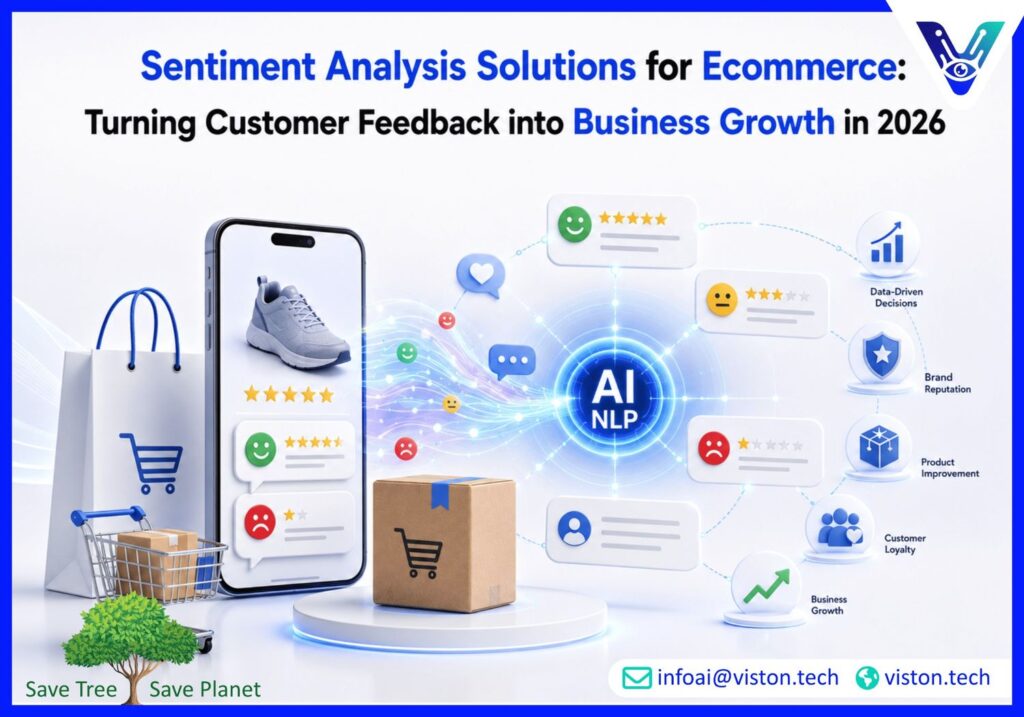
Sentiment Analysis Solutions for Ecommerce: Turning Customer Feedback into Business Growth in 2026
Customer opinions influence every stage of the ecommerce buying journey. From product reviews and social media discussions to support tickets and post-purchase feedback, businesses generate vast amounts of customer sentiment data every day. In 2026, sentiment analysis solutions have become a critical tool for ecommerce companies looking to improve customer experiences, protect brand reputation, and make data-driven business decisions.
What Are Sentiment Analysis Solutions for Ecommerce?
Sentiment analysis solutions use artificial intelligence, machine learning, and natural language processing (NLP) technologies to identify emotions, opinions, and attitudes expressed in customer communications. These systems automatically classify customer feedback as positive, negative, or neutral while uncovering deeper insights into customer experiences.For ecommerce businesses, sentiment analysis helps transform unstructured customer feedback into actionable intelligence.Common data sources analyzed include:
Product reviews
Customer surveys
Social media mentions
Customer support conversations
Email communications
Chatbot interactions
Marketplace reviews
Online forums and communities
Instead of manually reviewing thousands of comments, businesses can automatically identify trends, concerns, and opportunities at scale.
Why Sentiment Analysis Matters for Ecommerce in 2026
The ecommerce market has become increasingly competitive. Customers have more purchasing options than ever, making customer experience a major differentiator.Modern buyers expect:
Fast issue resolution
Personalized experiences
High product quality
Responsive customer support
Consistent brand interactions
When businesses fail to meet these expectations, customer sentiment often reveals problems before traditional reporting metrics do.Sentiment analysis provides early warning signals that help organizations:
Detect customer dissatisfaction quickly
Monitor brand perception
Reduce customer churn
Improve product offerings
Enhance marketing effectiveness
Increase customer loyalty
Identify emerging customer needs
As AI-powered commerce continues to evolve, understanding customer emotions has become just as important as tracking sales and conversion metrics.
Ecommerce businesses often receive thousands of customer comments across multiple channels every month. Manually reviewing this information is time-consuming and difficult to scale.Sentiment analysis solutions automate the process, helping teams identify meaningful insights without extensive manual effort.
Detecting Product Issues Earlier
Negative feedback patterns can indicate product defects, quality concerns, packaging problems, or delivery issues.By monitoring sentiment trends, businesses can address problems before they impact larger customer segments.
Improving Customer Retention
Customer acquisition costs continue to rise across digital channels. Retaining existing customers has become a strategic priority.Sentiment analysis helps identify dissatisfied customers and recurring pain points, enabling proactive engagement and service improvements.
Protecting Brand Reputation
Negative customer experiences can spread rapidly through review platforms and social media.Real-time sentiment monitoring helps brands respond quickly and reduce reputational risks before they escalate.
How Sentiment Analysis Solutions Improve Ecommerce Performance
Enhanced Customer Experience
Customer sentiment provides direct insight into what shoppers value most.Businesses can use this information to:
Improve website usability
Optimize checkout experiences
Enhance customer support workflows
Refine loyalty programs
Improve delivery experiences
Better Product Development Decisions
Product reviews often contain detailed feedback about features, usability, quality, and customer expectations.Sentiment analysis enables product teams to prioritize improvements based on actual customer opinions rather than assumptions.
Smarter Marketing Strategies
Understanding how customers feel about products, campaigns, and messaging helps marketing teams create more relevant and effective communications.Insights from sentiment analysis can support:
Campaign optimization
Audience segmentation
Brand positioning
Content strategy
Customer engagement initiatives
Improved Customer Support Operations
Sentiment detection allows support teams to prioritize high-risk interactions and identify customers requiring immediate assistance.This helps improve response quality and customer satisfaction while reducing escalation rates.
Key Features Businesses Should Look for in Sentiment Analysis Solutions
Not all sentiment analysis platforms provide the same capabilities. Ecommerce organizations should evaluate solutions based on business requirements, scalability needs, and data complexity.Important capabilities include:
Real-time sentiment monitoring
Multi-channel data collection
Natural language processing accuracy
Aspect-based sentiment analysis
Multilingual support
Custom sentiment models
Dashboard and reporting tools
API integration capabilities
Customer support platform integration
Scalable cloud deployment options
The most effective solutions combine sentiment scoring with deeper contextual understanding to provide actionable business insights.
How Viston AI Supports Ecommerce Businesses with Sentiment Analysis
As organizations increasingly rely on customer intelligence to drive growth, specialized sentiment analysis capabilities play an important role in ecommerce decision-making.Viston AI provides sentiment analysis solutions designed to help businesses transform large volumes of customer feedback into meaningful insights. By leveraging advanced natural language processing technologies, the company helps organizations analyze customer opinions across reviews, support interactions, surveys, and digital communication channels.For ecommerce businesses, these capabilities can support better customer experience management, product optimization initiatives, and brand monitoring efforts. Automated sentiment classification enables teams to identify emerging trends, understand customer concerns, and prioritize actions based on real customer feedback.Modern ecommerce environments often require scalable solutions capable of handling large datasets, multiple customer touchpoints, and evolving customer expectations. Through sentiment analysis technologies, businesses can gain clearer visibility into customer perceptions and make more informed operational and strategic decisions.As customer experience becomes a major competitive factor in online retail, access to accurate sentiment intelligence can help organizations improve responsiveness, strengthen customer relationships, and support long-term business growth.
Frequently Asked Questions
What is sentiment analysis in ecommerce?
Sentiment analysis is the process of using AI and natural language processing to evaluate customer opinions, emotions, and attitudes expressed in reviews, surveys, social media posts, and support interactions.
How does sentiment analysis help ecommerce businesses?
It helps businesses understand customer satisfaction, identify product issues, improve customer experiences, monitor brand reputation, and make data-driven decisions based on customer feedback.
Can sentiment analysis work with product reviews?
Yes. Product reviews are one of the most common sources of sentiment analysis data. Businesses use review insights to identify customer preferences, product strengths, and recurring complaints.
Is real-time sentiment analysis important for ecommerce?
Real-time monitoring allows businesses to identify emerging issues quickly, respond to customer concerns faster, and protect brand reputation before negative feedback spreads widely.
What technologies power sentiment analysis solutions?
Most modern sentiment analysis platforms use natural language processing, machine learning, artificial intelligence, text analytics, and language models to understand customer opinions and context.
How can Viston AI help with sentiment analysis?
Viston AI provides sentiment analysis solutions that help businesses analyze customer feedback, identify trends, monitor customer satisfaction, and generate actionable insights from large volumes of textual data.
Conclusion
Sentiment analysis solutions have become an essential capability for ecommerce businesses seeking deeper customer understanding in 2026. By transforming reviews, support conversations, surveys, and social interactions into actionable insights, organizations can improve customer experiences, strengthen brand reputation, and make more informed decisions. As customer expectations continue to evolve, investing in effective sentiment analysis capabilities can help businesses identify opportunities, reduce risks, and maintain a competitive advantage. For companies looking to extract meaningful value from customer feedback, sentiment analysis provides a practical path toward more customer-centric growth.