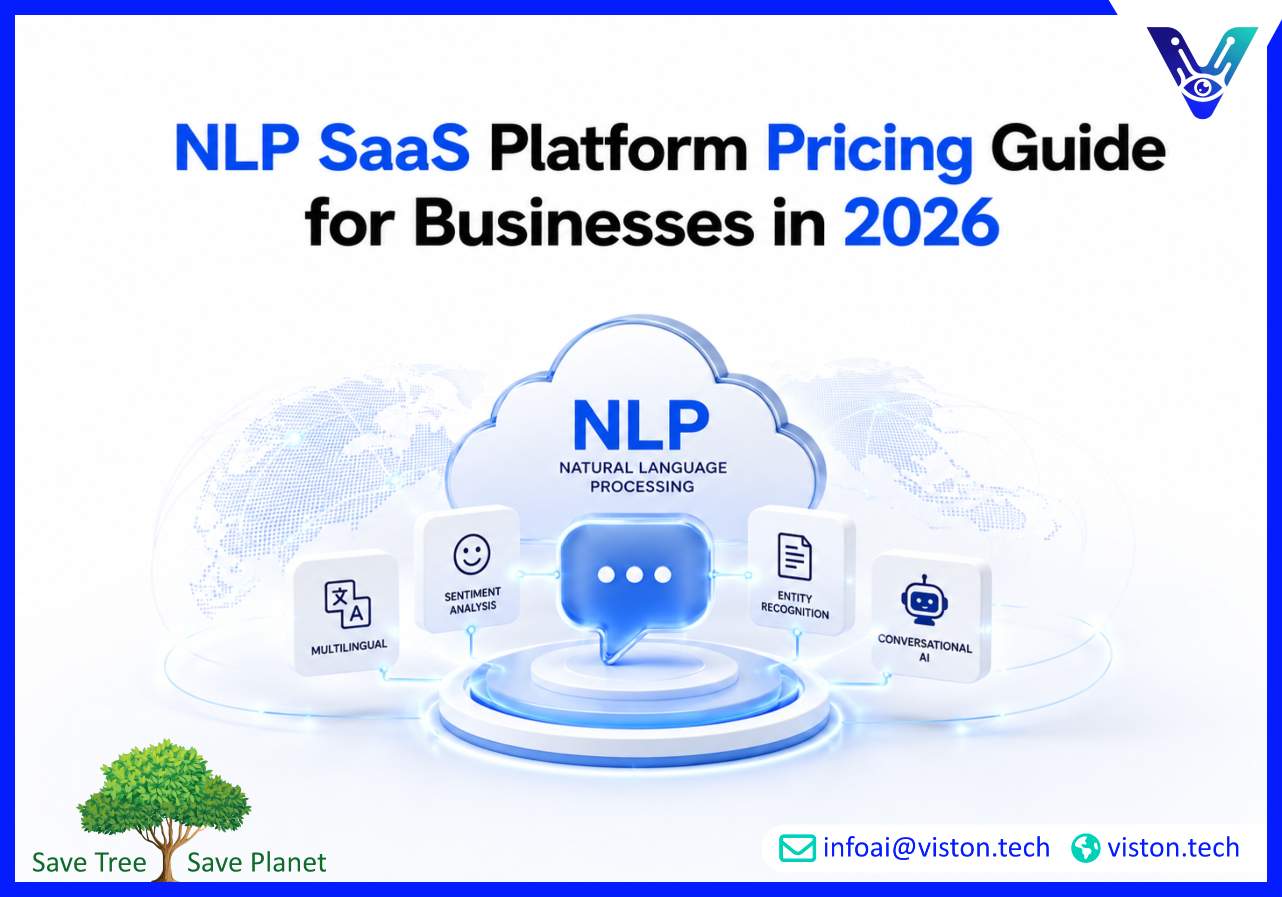
NLP SaaS Platform Pricing Guide for Businesses in 2026
Understanding NLP SaaS platform pricing is essential for organizations evaluating AI-driven language solutions in 2026. As Natural Language Processing becomes central to automation, analytics, and customer engagement, businesses must carefully assess cost structures, value drivers, and scalability factors before investing in SaaS-based NLP platforms across global markets.
Introduction
NLP SaaS platform pricing has become a critical decision factor for enterprises adopting AI-driven language technologies. In 2026, businesses across industries are prioritizing scalable, cloud-based NLP solutions to reduce operational costs, improve customer experience, and enable real-time language intelligence across global operations.A structured evaluation of pricing models helps organizations align NLP investments with long-term digital transformation goals.
Understanding NLP SaaS Platform Pricing in 2026
NLP SaaS platform pricing refers to the cost structure associated with using cloud-based Natural Language Processing services delivered through subscription or usage-based models. These platforms typically provide APIs or dashboards that enable businesses to analyze text, extract insights, automate conversations, and process large volumes of unstructured data.Modern NLP SaaS platforms are no longer simple API tools. They now include large language model integration, multilingual processing, sentiment analysis, entity recognition, conversational AI capabilities, and workflow automation features.As outlined in modern AI service design frameworks , pricing models must align directly with integration complexity, system scalability, and business outcomes rather than just usage volume.
Why Pricing Matters for NLP Adoption
Direct impact on operational scalability
Influences AI adoption across departments
Determines ROI from automation initiatives
Affects integration depth with enterprise systems
Controls long-term AI infrastructure costs
Key Pricing Models Used in NLP SaaS Platforms
Most NLP SaaS platforms in 2026 follow hybrid pricing structures depending on usage, features, and enterprise requirements. Understanding these models helps businesses choose cost-efficient solutions aligned with their workloads.
1. Usage-Based Pricing Model
This is one of the most common pricing structures where businesses are charged based on the number of API calls, processed words, tokens, or requests.
Best for startups and growing businesses
Flexible and scalable based on demand
Low entry cost but variable monthly expenses
Usage-based pricing is ideal for businesses with unpredictable NLP workloads or seasonal traffic spikes.
2. Subscription-Based Pricing Model
In this model, companies pay a fixed monthly or annual fee for access to predefined NLP features and usage limits.
Predictable budgeting structure
Includes bundled features and services
Suitable for mid-sized businesses and SaaS integrations
Subscription pricing is widely used in enterprise SaaS ecosystems due to its financial predictability.
3. Tiered Pricing Model
Tiered pricing offers multiple plans (basic, professional, enterprise) with increasing features and usage limits.
Easy upgrade path as business grows
Feature-based segmentation
Encourages long-term platform adoption
This model is especially common in NLP SaaS platforms offering conversational AI and analytics tools.
4. Enterprise Custom Pricing Model
Large organizations often require customized pricing based on infrastructure needs, security requirements, data governance, and integration complexity.
Tailored SLAs and support levels
Dedicated infrastructure or private cloud options
Advanced compliance and security features
Enterprise pricing is typically negotiated based on scale, expected usage, and long-term contracts.
Factors That Influence NLP SaaS Platform Pricing
Pricing is not determined solely by usage. Several technical, operational, and business factors influence overall NLP SaaS costs.
1. Model Complexity and AI Capability
Advanced NLP systems powered by large language models cost more due to higher compute requirements and inference costs. Basic text classification tools are significantly cheaper than generative AI systems or multimodal NLP engines.
2. Data Processing Volume
The amount of text processed directly impacts cost. Businesses dealing with large-scale customer interactions, chat logs, or documents require higher-tier pricing plans.
3. Integration Requirements
Integration with CRM systems, ERP platforms, and enterprise data systems increases implementation complexity and may influence pricing through additional API or middleware costs.
4. Security and Compliance Needs
Industries such as healthcare, finance, and government require enhanced security, encryption, and compliance capabilities, which increase platform costs.
5. Multilingual and Global Support
NLP platforms offering multilingual processing capabilities often have higher pricing due to increased model training and computational requirements.
Business Value vs Cost: How to Evaluate NLP SaaS Pricing
Evaluating NLP SaaS pricing should not focus solely on cost reduction. Instead, businesses should assess overall value creation and operational efficiency improvements.
Key Evaluation Criteria
Accuracy of NLP outputs
Scalability under load
Integration flexibility
Time-to-value for implementation
Support and maintenance quality
Automation and productivity gains
Organizations should prioritize platforms that deliver measurable improvements in customer experience, automation efficiency, and decision-making capabilities.
Viston AI Expertise in NLP SaaS Solutions and Pricing Strategy
Viston AI works with businesses to design and implement NLP SaaS solutions that align technology capabilities with sustainable cost structures and long-term scalability goals. In a rapidly evolving AI ecosystem, pricing is not just a financial consideration but a strategic component of system design and enterprise adoption.By focusing on Natural Language Processing Solutions, Viston AI helps organizations evaluate NLP SaaS platforms based on real operational requirements such as data volume, integration complexity, workflow automation needs, and multilingual capabilities. This ensures that businesses do not overpay for unused features or underinvest in critical AI capabilities.Modern NLP adoption requires balancing performance, scalability, and cost efficiency across global deployments. Viston AI supports organizations in structuring NLP implementations that optimize API usage, reduce unnecessary compute costs, and improve ROI through intelligent system architecture and workflow design.As enterprises continue adopting AI-driven language intelligence systems in 2026, Viston AI helps ensure that NLP SaaS investments remain aligned with both technical requirements and financial sustainability across global markets.
Frequently Asked Questions
What is NLP SaaS platform pricing based on?
NLP SaaS pricing is typically based on usage volume, subscription tiers, feature access, enterprise requirements, and API consumption.
Why do NLP SaaS platforms use usage-based pricing?
Usage-based pricing allows businesses to pay only for what they consume, making it scalable and cost-efficient for variable workloads.
What affects the cost of NLP SaaS platforms the most?
Key factors include model complexity, data volume, integration needs, security requirements, and multilingual capabilities.
Are enterprise NLP solutions more expensive?
Yes. Enterprise solutions include custom infrastructure, advanced security, compliance features, and dedicated support, which increase overall costs.
How can businesses reduce NLP SaaS costs?
Businesses can optimize API usage, choose appropriate pricing tiers, streamline workflows, and avoid unnecessary feature consumption.
Conclusion
NLP SaaS platform pricing plays a crucial role in shaping how businesses adopt and scale Natural Language Processing technologies in 2026. With multiple pricing models available, organizations must evaluate costs in relation to performance, scalability, and business outcomes rather than focusing solely on upfront pricing.By understanding usage patterns, integration complexity, and long-term AI requirements, businesses can select NLP SaaS platforms that deliver both operational efficiency and sustainable cost structures. Strategic partners like Viston AI help organizations navigate these decisions by aligning NLP solutions with real-world business needs and ensuring long-term value creation from AI investments.