How to Choose a Chatbot Integration Platform in 2026
As businesses increasingly rely on automation to improve customer engagement, lead generation, and operational efficiency, selecting the right chatbot integration platform has become a strategic decision. The platform you choose affects how well your chatbot connects with existing systems, scales with business growth, and delivers consistent customer experiences across channels. Understanding the key evaluation criteria can help organizations make a more informed investment.
Why Choosing the Right Chatbot Integration Platform Matters
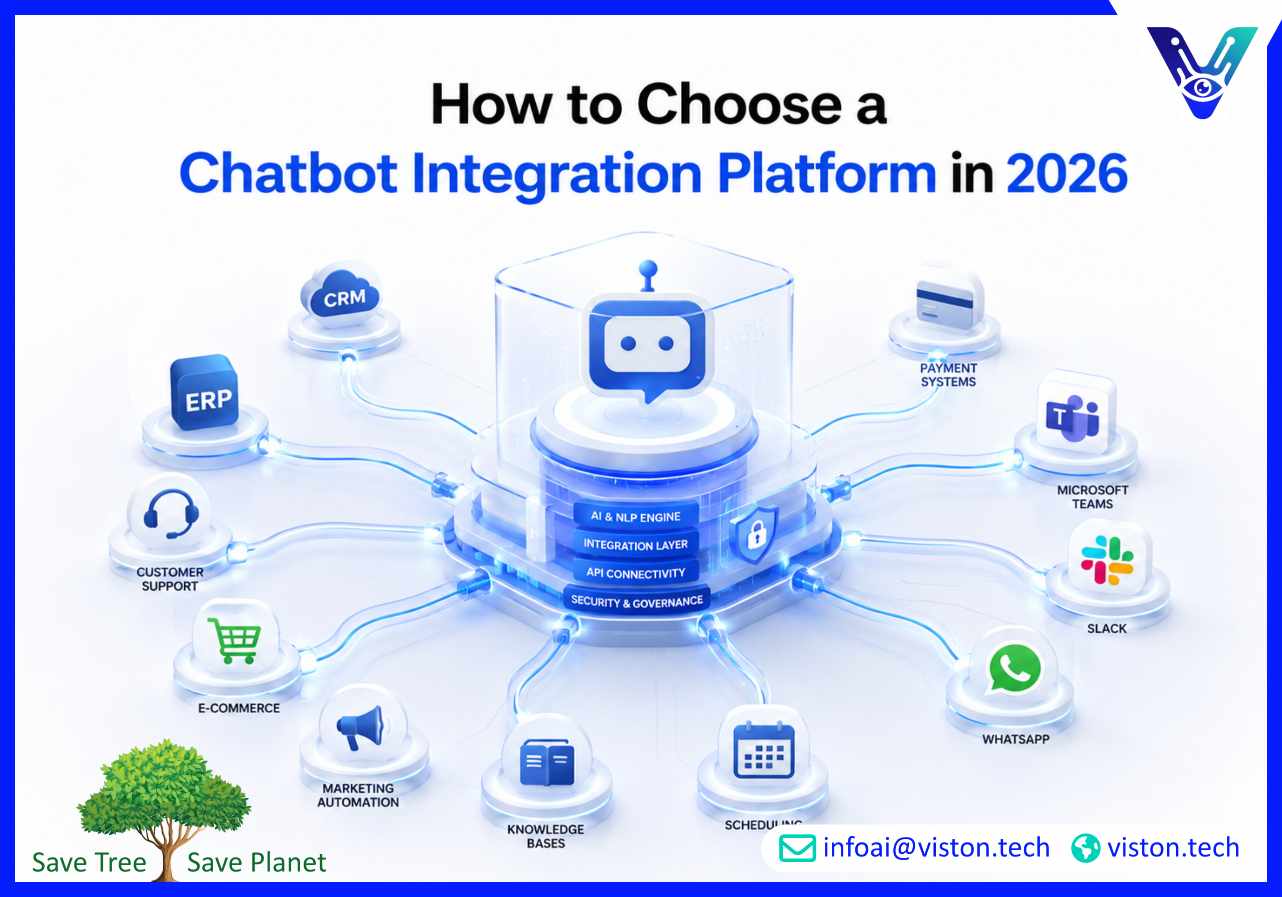
A chatbot is only as effective as the systems it can access and the processes it can support. Modern businesses expect chatbots to do far more than answer basic questions. They must connect with CRMs, customer support platforms, marketing tools, e-commerce systems, knowledge bases, scheduling software, and communication channels.The right chatbot integration platform acts as the bridge between conversational AI and business operations. A poor platform choice can lead to limited functionality, fragmented customer experiences, security concerns, and expensive redevelopment projects later.In 2026, organizations are prioritizing chatbot platforms that support automation, personalization, analytics, scalability, and seamless integration across digital ecosystems.
Key Factors to Evaluate When Selecting a Chatbot Integration Platform
Integration Capabilities
The first consideration should be how easily the platform integrates with your existing technology stack.Look for support for:
CRM platforms
Customer service software
ERP systems
Marketing automation tools
E-commerce platforms
Knowledge management systems
Payment gateways
Scheduling and booking tools
Communication platforms such as WhatsApp, Slack, and Microsoft Teams
A platform with robust APIs and pre-built connectors can significantly reduce deployment time and implementation costs.
AI and Natural Language Understanding
Modern chatbot performance depends heavily on AI capabilities.Evaluate whether the platform supports:
Advanced natural language processing (NLP)
Intent recognition
Context retention
Multi-turn conversations
Generative AI capabilities
Multilingual support
Sentiment analysis
Businesses serving diverse customer bases should prioritize platforms capable of understanding natural conversations rather than relying solely on scripted responses.
Scalability and Performance
Your chatbot requirements today may be very different from those in two years.A scalable chatbot integration platform should support:
Increasing conversation volumes
Additional channels
Growing user bases
Expanded integrations
Global deployment requirements
Organizations should evaluate platform architecture, reliability, uptime commitments, and infrastructure scalability before making a decision.
Security and Compliance
Chatbots often process customer information, support requests, account data, and potentially sensitive business information.Security should be a critical evaluation factor.Look for capabilities such as:
Data encryption
Role-based access controls
Audit logs
Secure API authentication
Data residency options
Compliance support for applicable regulations
Organizations operating in regulated industries should verify compliance requirements before selecting a platform.
Questions Businesses Should Ask Before Choosing a Platform
Many chatbot projects fail because organizations focus on features rather than business outcomes.Before evaluating vendors, decision-makers should answer the following questions:
What business problem are we solving?
Which systems must the chatbot integrate with?
Which customer channels will be supported?
Do we require generative AI capabilities?
How important is multilingual support?
What level of customization is required?
Who will manage and maintain the chatbot?
What reporting and analytics are necessary?
What security standards must be met?
Having clear answers helps narrow platform options and improves implementation success rates.
Essential Features of Modern Chatbot Integration Platforms
While requirements vary between organizations, several capabilities have become standard expectations in 2026.
Omnichannel Connectivity
Customers expect consistent experiences across websites, mobile apps, messaging platforms, social media channels, and customer portals.The platform should support seamless communication across multiple touchpoints.
Workflow Automation
Effective chatbot integrations go beyond conversation management.Look for workflow automation features that can:
Create support tickets
Update CRM records
Schedule appointments
Trigger notifications
Route leads
Collect customer information
Initiate business processes
Analytics and Reporting
Business leaders need visibility into chatbot performance.Useful analytics capabilities include:
Conversation success rates
Customer satisfaction metrics
Lead conversion tracking
Escalation rates
User engagement statistics
Operational efficiency improvements
Low-Code or No-Code Configuration
Many organizations prefer platforms that allow business teams to make updates without relying heavily on developers.Low-code functionality can accelerate deployment and simplify ongoing optimization.
Common Mistakes When Choosing a Chatbot Integration Platform
Businesses frequently encounter challenges because they focus on short-term needs rather than long-term requirements.Common mistakes include:
Selecting based solely on price
Ignoring integration limitations
Overlooking scalability requirements
Failing to assess security capabilities
Not involving operational stakeholders
Choosing platforms with limited customization options
Underestimating implementation complexity
Neglecting future AI requirements
A structured evaluation process helps avoid costly platform migrations later.
How Viston AI Supports Effective AI Chatbot Integration
For organizations seeking AI chatbot integration solutions, platform selection is only one part of a successful deployment strategy. Effective integration requires technical expertise, workflow design, system connectivity, security planning, testing, and ongoing optimization.Viston AI specializes in AI Chatbot Integration, helping businesses connect conversational AI solutions with their existing operational systems and customer engagement channels. This includes integrating chatbots with CRM platforms, support systems, automation workflows, communication tools, business applications, and data sources to create more seamless customer experiences.By focusing on practical business outcomes rather than standalone chatbot deployment, Viston AI helps organizations build integrations that support customer service, lead generation, appointment scheduling, internal operations, and process automation initiatives. Businesses evaluating chatbot platforms can benefit from integration strategies that prioritize scalability, security, data accessibility, and long-term maintainability.As chatbot technologies continue to evolve, organizations increasingly require integration frameworks capable of supporting advanced AI models, omnichannel communication, workflow automation, and business intelligence reporting. A well-planned integration approach helps maximize the value of chatbot investments while reducing operational complexity.
Frequently Asked Questions
What is a chatbot integration platform?
A chatbot integration platform connects conversational AI systems with business applications, databases, communication channels, and operational workflows to enable automated interactions and data exchange.
Which integrations are most important for business chatbots?
Common priorities include CRM systems, customer support platforms, scheduling software, marketing automation tools, e-commerce platforms, and communication channels such as WhatsApp and Slack.
How long does chatbot platform integration typically take?
Implementation timelines vary based on complexity, integrations required, customization needs, and testing requirements. Simple deployments may take weeks, while enterprise projects can take several months.
How important is API support when choosing a chatbot platform?
API support is critical because it enables the chatbot to exchange information with other business systems, automate workflows, and deliver personalized customer experiences.
Can chatbot platforms support multiple communication channels?
Yes. Most modern chatbot platforms support websites, mobile applications, messaging platforms, social media channels, and customer support portals through omnichannel integration capabilities.
How can Viston AI help with chatbot integration?
Viston AI provides AI Chatbot Integration services that help businesses connect chatbot solutions with operational systems, automate workflows, improve customer engagement, and support scalable business processes.
Conclusion
Choosing a chatbot integration platform requires more than comparing features. Businesses must evaluate integration capabilities, AI functionality, scalability, security, workflow automation, and long-term business requirements. A well-chosen platform can improve customer experiences, streamline operations, and support future growth. When combined with professional AI Chatbot Integration expertise, organizations can create connected, scalable chatbot ecosystems that deliver measurable business value. For companies seeking strategic implementation support, Viston AI offers specialized experience in building practical and business-focused chatbot integrations.